

All About Mechanical Watches
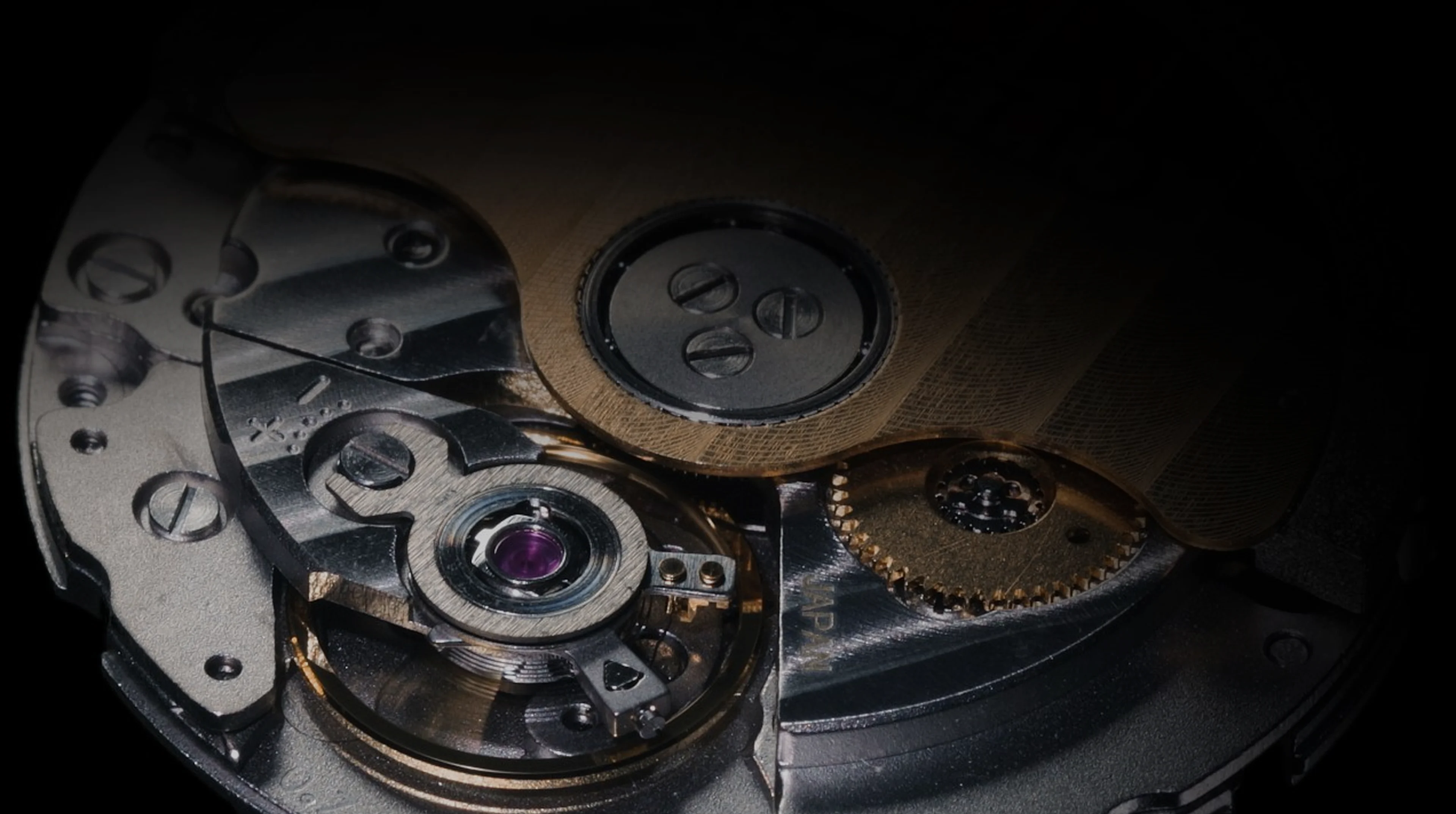
Fine watchmaking begins with expert craftsmanship. Long before batteries, watches were powered by intricate mechanical movements, with springs, gears, and wheels working in precise harmony. Dating back to the 1500s, this technology has evolved to be used in the modern wristwatch.
Modern mechanical watches fall into two categories:
Manual watches, which are wound by hand, and automatic watches, which are powered by the natural movement of your wrist.
What makes a mechanical watch tick?
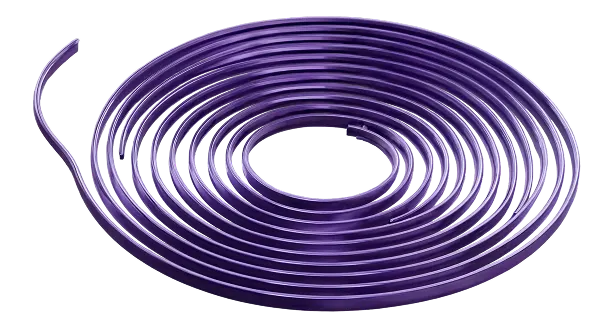
Mainspring
A mechanical watch draws power from a coiled piece of metal called a mainspring. The mainspring is tightly wound through the crown or an automatic rotor before gradually releasing power into the movement.
Why buy a mechanical watch?
In an increasingly digital world, there’s a real appeal to something rooted in precision craftsmanship, technical expertise, and storied heritage. But that’s only part of what makes a mechanical watch so compelling. Additional benefits include:
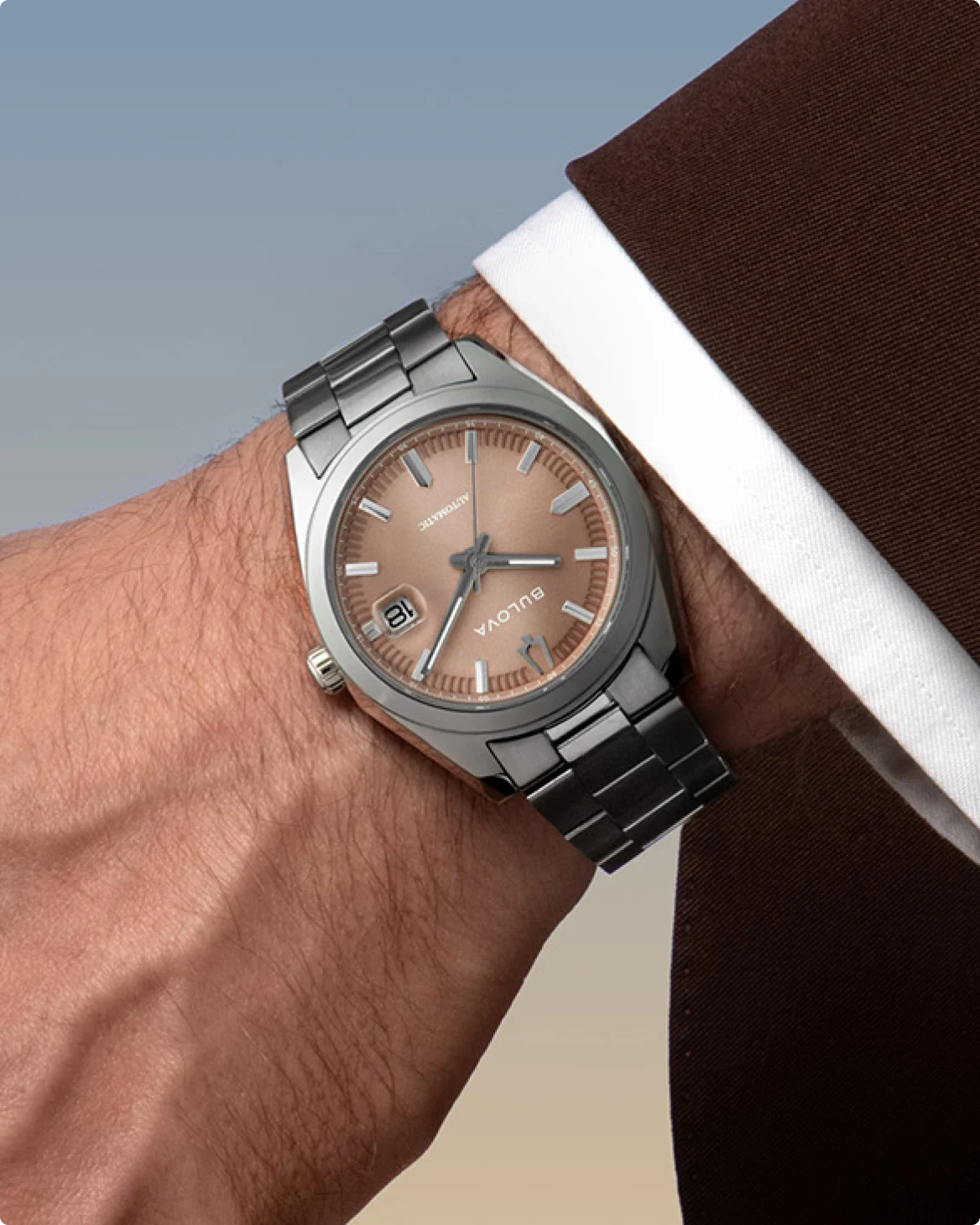
Interaction
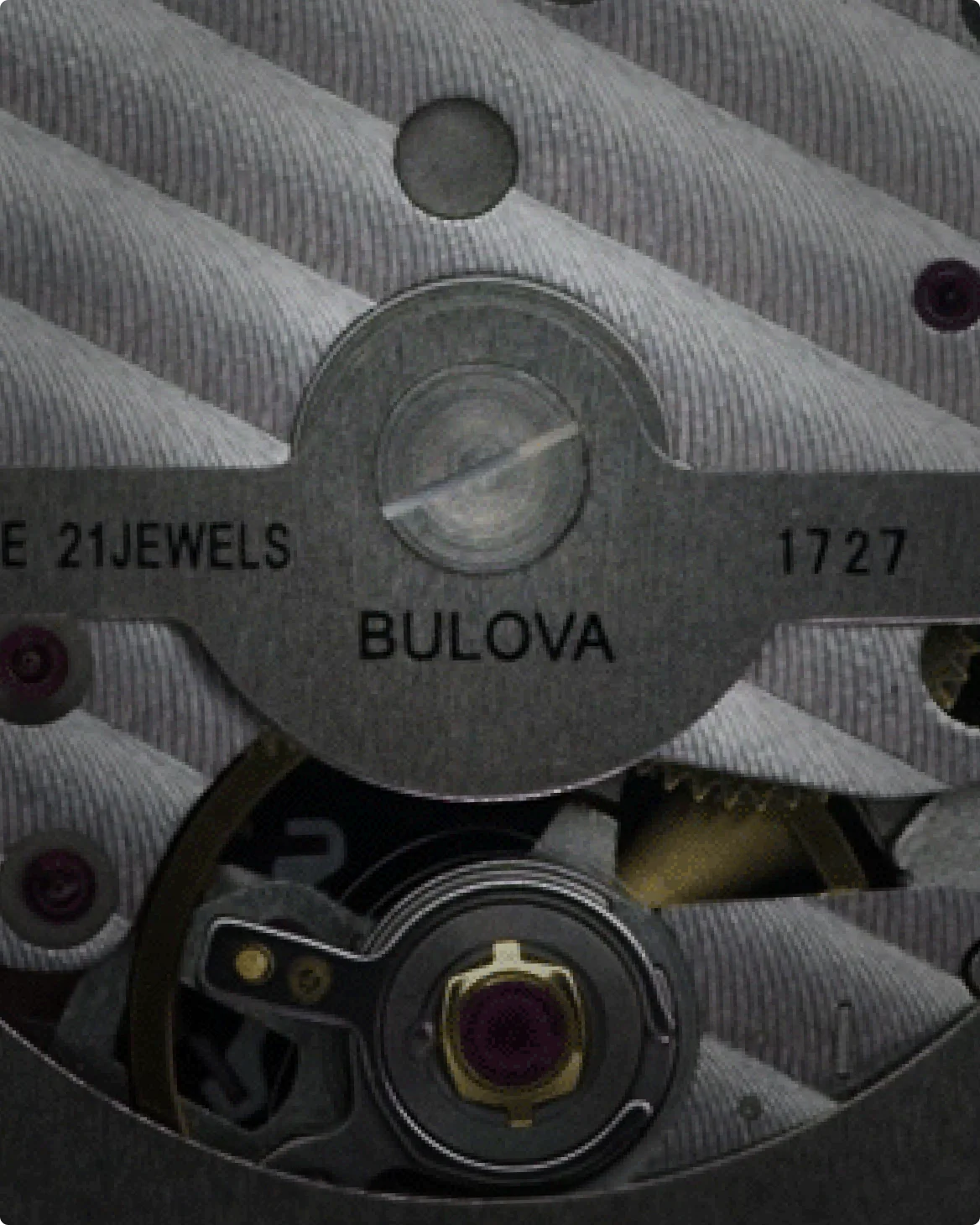
Longevity
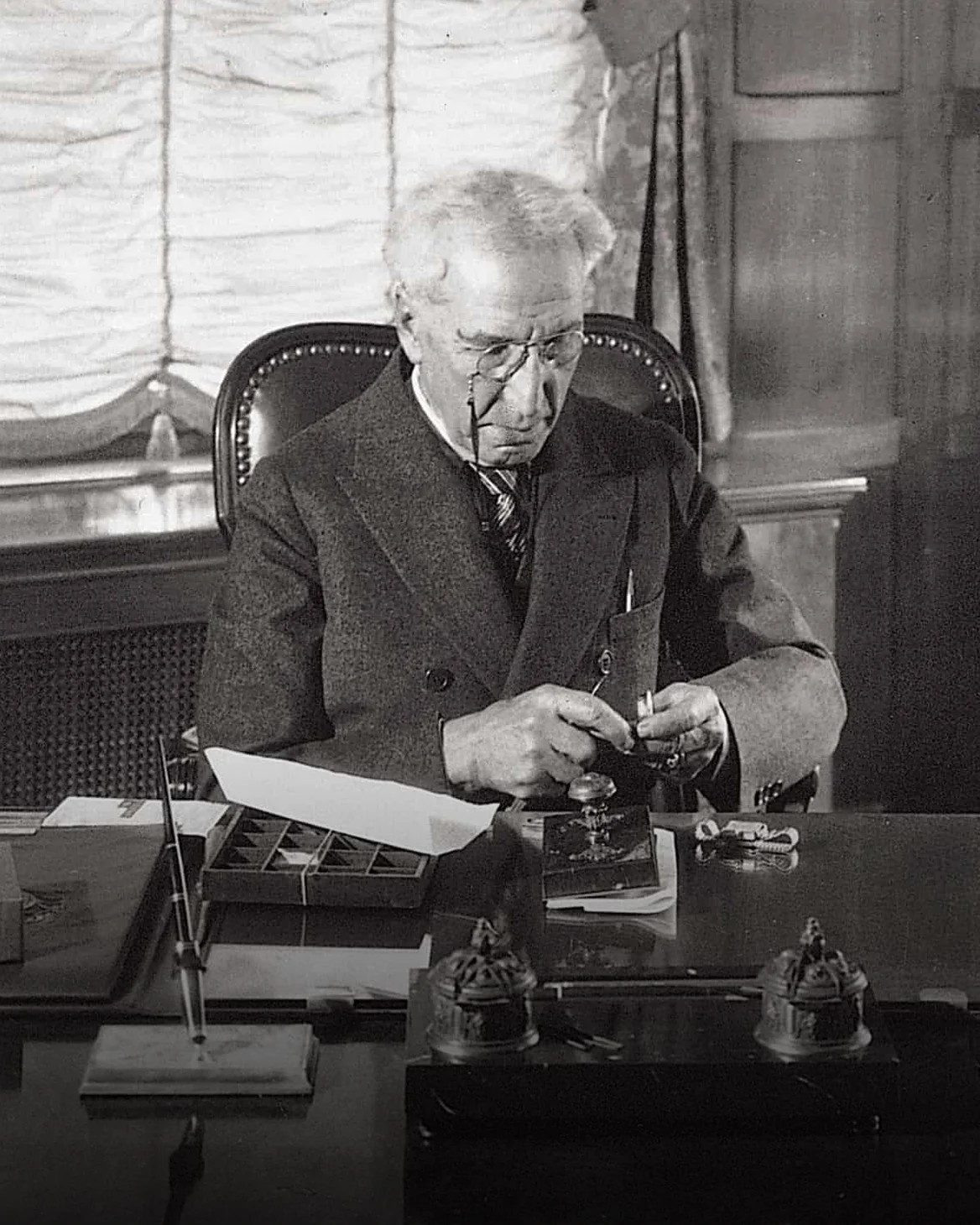
Tradition
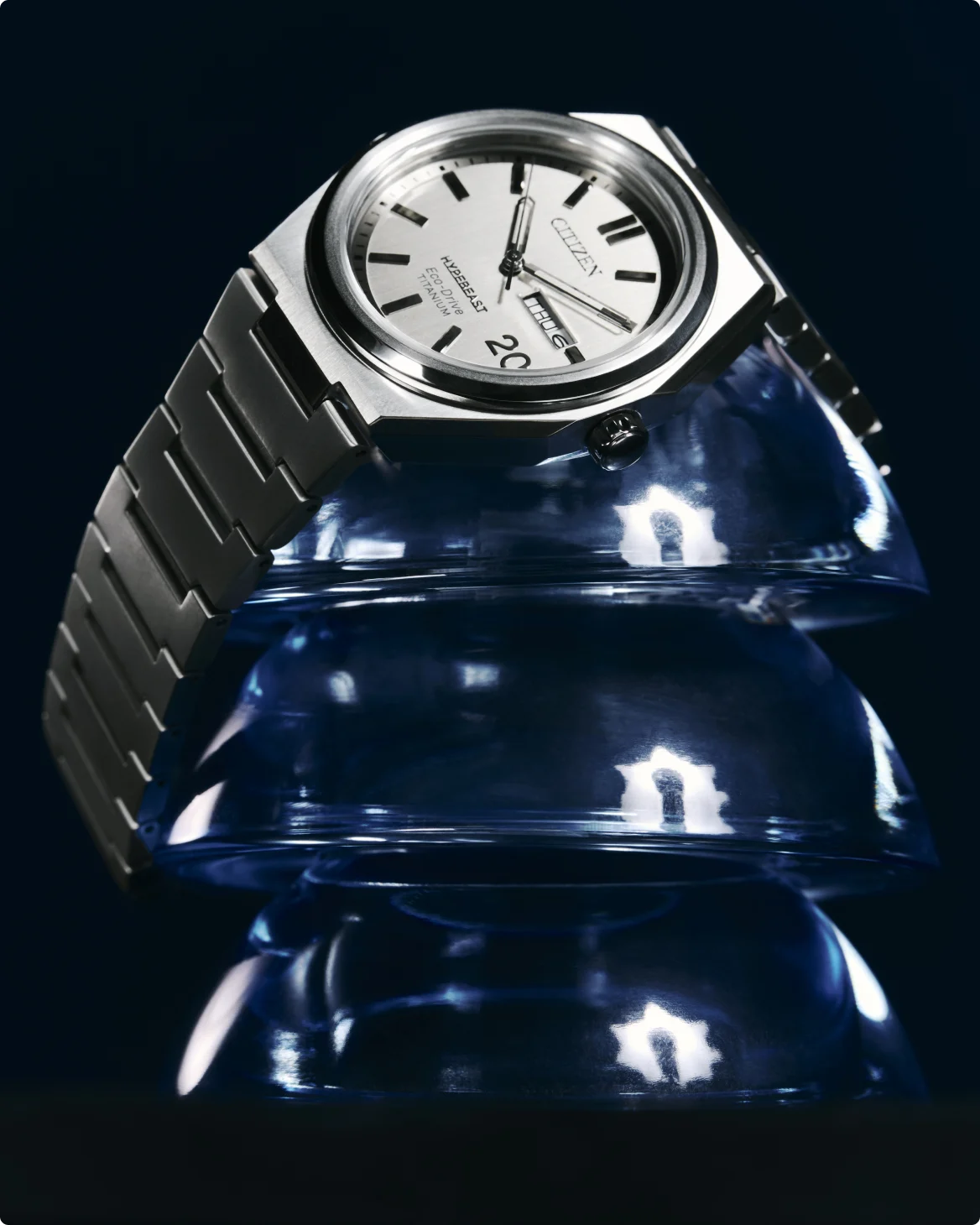
Aesthetics
How to care for your mechanical watch
A mechanical watch is built to last, and a few simple habits will help preserve its precision and performance for years to come.
Have your mechanical watch professionally cleaned and oiled every five to seven years to help maintain optimal performance.